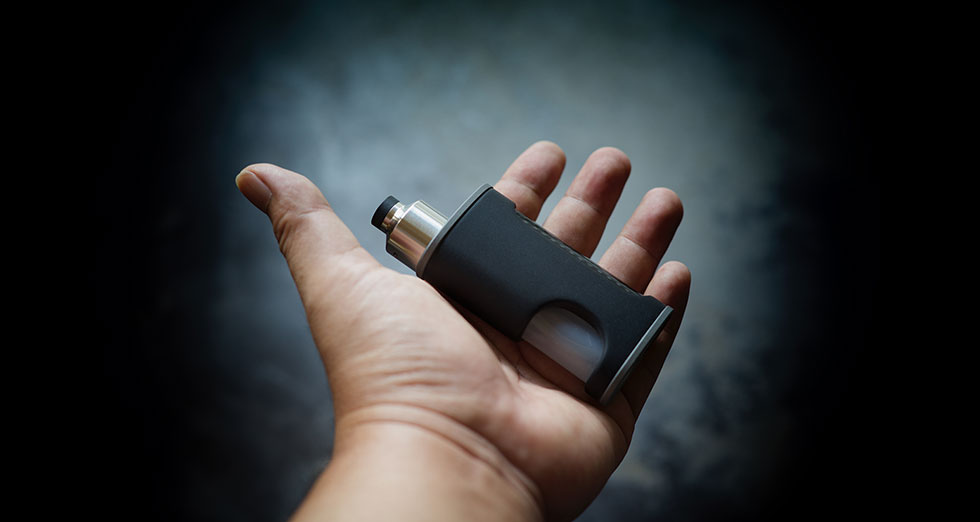
Many people resort to vaping because they think it will help them relax and relieve tension, therefore addressing their anxiety. Over the years, vaping has become more and more popular; many users believe it calms them. But is vaping only a band-aid solution, or can it really assist with anxiety? A frequent component in vapes, nicotine, some say, provides a relaxing effect. Some contend that over time, it might aggravate anxiety. Scholars in this field have looked closely at both the possible advantages and hazards. This blog investigates what research has to say about vaping and how it could affect anxiety, therefore clarifying the consequences it might produce on mental health.
How Nicotine Affects the Brain and Anxiety
Most vape products include nicotine, which is the primary element that influences brain activity greatly. Nicotine quickly enters the circulation and gets to the brain in a few seconds when breathed. It causes dopamine to be released, a neurotransmitter connected to reward and pleasure. This can produce a transient sense of well-being and relaxation. Still, nicotine is a stimulant as well; hence, it can raise blood pressure and heart rate. The brain grows dependent on nicotine over time to feel calm; hence, when nicotine levels decrease, withdrawal symptoms might result. Among these might be restlessness, impatience, and more worry. This loop makes doctors caution that although vaping may offer temporary comfort, it might aggravate long-term anxiety disorders.
The Psychological Effects of Vaping on Anxiety
As a coping strategy for stress and anxiety, some people turn to vaping. Like deep breathing techniques, inhaling and exhaling vapor can feel calming. Users feel more in control and a diversion from nervous thoughts from these repeated movements. Experts advise against depending too much on vaping for emotional release, though, as it can develop into a difficult habit to kick. Those who use vaping as their main means of anxiety management might find it difficult to control stress in more positive ways. This dependence might cause more rather than less worry over time. Instead of depending just on vaping, researchers underline the need to learn other coping mechanisms, including mindfulness, exercise, and therapy.
Does Vaping CBD Help with Anxiety?
Not every vape carries nicotine. Some people utilize CBD (cannabidiol) vapes instead, trying to lower anxiety without running the dangers connected with nicotine. Found in cannabis plants, CBD is a chemical that studies point to having relaxing properties. The psychoactive element of cannabis, CBD, does not provide a “high,” unlike THC. Based on interactions with serotonin receptors in the brain, some research suggests CBD could aid with anxiety. Though studies on its efficacy are still in progress, many users of CBD report feeling more at ease. While CBD could help some, it’s crucial to get premium goods from reputable suppliers. Low-quality or unregulated CBD vapes might include dangerous ingredients.
The Risks of Vaping for Anxiety Relief
Although vaping seems like a simple approach to control anxiety, it has some dangers. Addiction to nicotine is one of the worries. Nicotine offers momentary comfort; hence, users may feel the urge to vape more often and develop dependence. Withdrawal symptoms might aggravate anxiety, therefore worsening the long-term condition. The effects on lung health provide still another hazard. Certain vape goods have dangerous compounds that could aggravate the lungs and cause respiratory problems. Since vaping is still a very young phenomenon, there are also uncertain long-term health consequences. Before turning to vaping, experts advise weighing alternative anxiety-reducing strategies like therapy, lifestyle modifications, and medicine.
Healthier Alternatives for Managing Anxiety
Experts advise looking at alternative, effective techniques instead of vaping as a means of anxiety management. By producing endorphins—the body’s natural mood enhancers—regular physical exercise might help lower stress. Additionally, mindfulness and meditation help the mind relax and enhance emotional control. Good ways to release tension are deep breathing techniques, writing, and hobby-related activities. Professional treatment and prescription drugs written by a doctor might be required for persons suffering from extreme anxiety. Long-term anxiety management may be much improved by developing a strong support system and keeping good lifestyle practices.
Expert Opinions on Vaping and Anxiety
Generally speaking, mental health experts counsel against turning to vaping to help with anxiety. Many professionals stress that although nicotine might produce a fleeting feeling of calm, it does not deal with the underlying reasons for anxiety. Rather, it can feed a cycle of reliance that worsens anxiety over time. Furthermore, underlined by some academics are insufficient long-term studies on the consequences of vaping, especially in relation to mental health. Public health groups warn against seeing vaping as a dependable way to release stress or a safe substitute for smoking. Rather, they advise individuals to look for validated mental health therapies with long-lasting effects.
Conclusion
Although some people find brief relief from anxiety by vaping, professionals concur that this is not a safe or sensible long-term fix. Most vape products include nicotine, which can cause dependency and result in anxiety-raising rather than lowering effects. To guarantee their safety and efficacy, even nicotine-free vapes—including ones with CBD—need additional study. People experiencing anxiety are urged to investigate other coping mechanisms, such as exercise, mindfulness, therapy, and medication, if necessary, instead of vaping. Making wise decisions regarding mental health is crucial; consulting medical experts will assist in identifying the finest strategy for properly controlling anxiety.